|
|
|
|
|
|
|
|
|
|
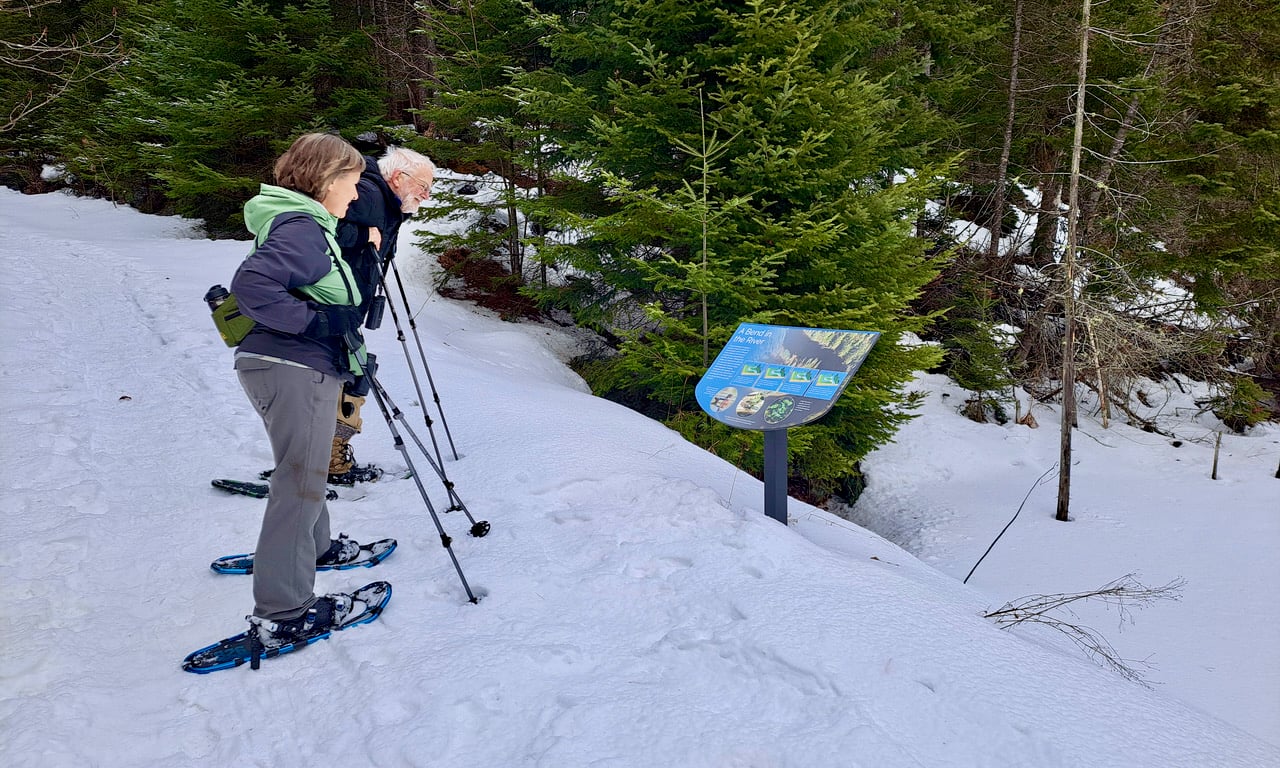
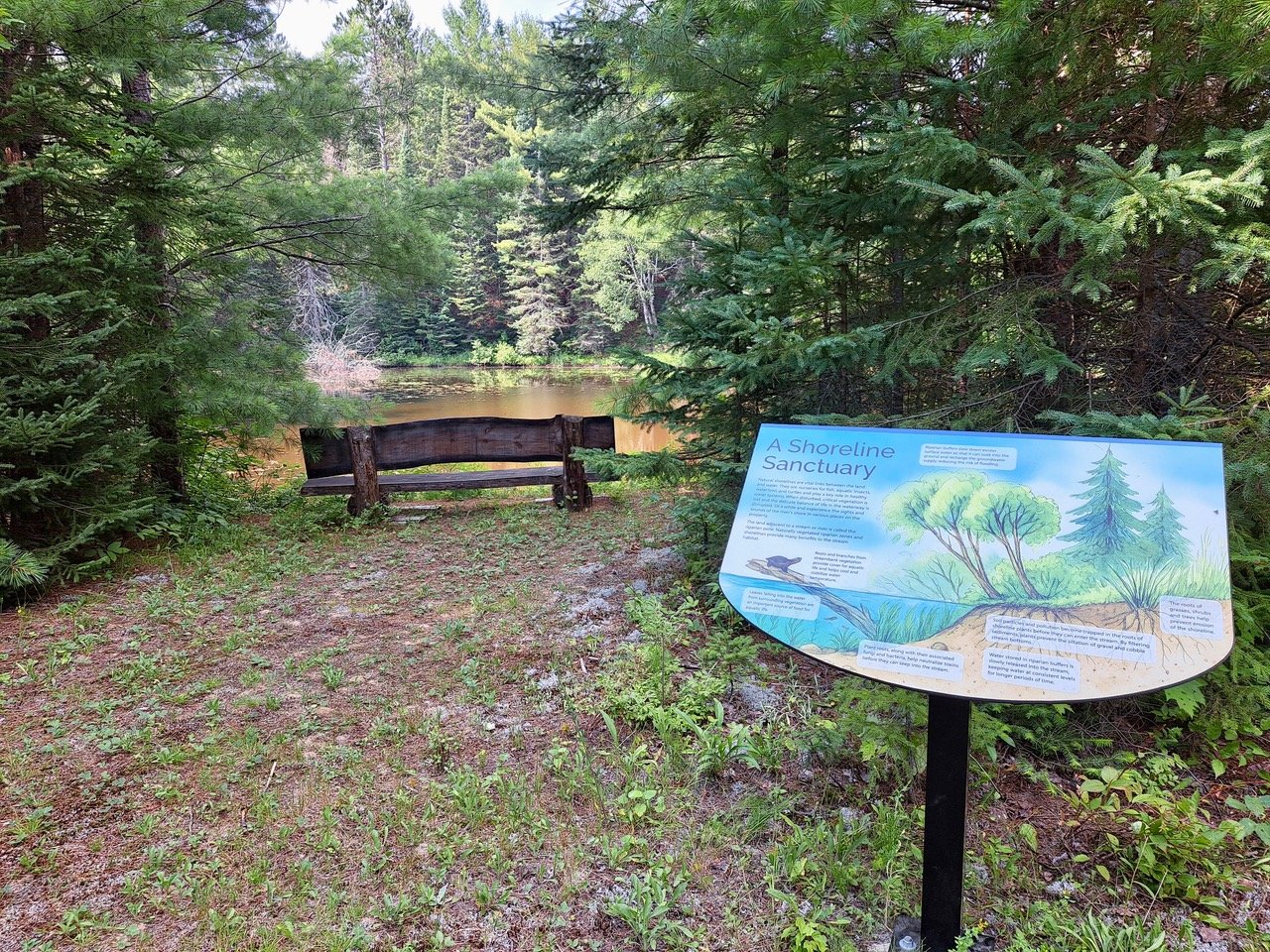
Taking time to explore Marsh’s Falls and learn from our interpretive panels.
Photo: Kelly Stronks
|
|
|
As February draws to a close and the days grow longer, winter is beginning to loosen its grip. In this issue, we share updates and stories from the Lake of Bays Heritage Foundation, including conservation work, upcoming events, and ways to get involved.
What's in this newsletter
- From Global Goals to Local Action — how worldwide conservation efforts connect to our work at home
- Why Your Support Matters — being ready when important opportunities arise
- Get Involved with LBHF — lend a hand and help shape our future
- With Gratitude to Our Donors — celebrating the generosity of our members and donors
- 2026 Nature Events — walks, learning, and time outdoors together
- What a Dry Summer Revealed About Mushrooms — lessons from the forest
- Marsh’s Falls Nature Reserve — winter trails and a nature update
- Inspired by Nature: The Watershed Exhibition
|
|
|
|
|
|
|
From Global Goals to Local Action
In recent years, growing concern about climate change and biodiversity loss—especially among younger generations—has reminded us how important it is to care for the natural world we all depend on. These challenges remain urgent, but they also present opportunities for people and communities to work together.
In December 2022, Canada joined more than 190 countries in adopting the Kunming–Montreal Global Biodiversity Framework, committing to protect 30% of lands and waters by 2030 through the 30x30 initiative. The goal is ambitious—but it reflects a shared belief that nature is worth protecting for future generations.
Reaching this target will require a whole-of-society approach, including Indigenous leadership, governments, environmental organizations, philanthropy, and private landowners. Progress in Canada has been slower than hoped, and Ontario currently protects just under 11% of its lands, making local conservation efforts more important than ever.
As a registered land trust, the Lake of Bays Heritage Foundation is proud to play a role in turning these global commitments into meaningful local action.
To strengthen our work, we are partnering with the Ontario Conservation Accelerator, which provides guidance and support to help land trusts focus their efforts where they can have the greatest impact.
While we have traditionally focused on the Lake of Bays region, we are now expanding our conservation lens to include lands north of Hwy 60 and up to the Big East River – the northern boundary of the Township of Lake of Bays. Through outreach to landowners and community partners, we are working to encourage long-term, voluntary conservation.
With the support of our members, volunteers, and donors, this approach helps ensure that when important opportunities arise, the Foundation is ready to act—and that the landscapes we cherish remain protected for generations to come.
|
|
|
|
|
|
|
Why Your Support Matters
Being ready to act when conservation opportunities arise takes more than good intentions—it takes community support.
We are deeply grateful for the recent donation of Westermain Woods, whose remarkable history will be featured at our Annual General Meeting on August 15. Gifts like this are inspiring and make a lasting difference.
At the same time, many ecologically significant properties are placed on the market and must be purchased if they are to be protected. Recently, we were unsuccessful in bidding on two such properties, one of which is now likely to be developed. Experiences like this remind us how important it is to be financially prepared.
Whether land is purchased or donated, there are real costs involved—surveys, appraisals, environmental studies, legal fees, and measures to protect sensitive species. Having capital available allows us to move forward with confidence when opportunities arise, rather than watching them slip away.
If you haven’t yet renewed your membership or donated, we invite you to consider doing so. If you’re reading this newsletter as a subscriber, becoming a member for $40 (tax deductible) is a meaningful way to support local land conservation.
|
|
|
|
|
|
|
|
|
Get Involved with the Lake of Bays Heritage Foundation
Lend a hand and help shape our future
There are many ways to get involved with the Lake of Bays Heritage Foundation, and we welcome volunteers with a wide range of interests, skills, and availability. Our work is guided by a dedicated volunteer Board of Directors and supported by active volunteer committees.
Join a Committee and Share Your Skills
Volunteers play an important role in strengthening our work in many areas, including fundraising, communications, land securement and stewardship, and organizing special events. These behind-the-scenes efforts are just as essential as our on-the-ground work, and committee involvement is flexible and well supported.
Volunteer at Marsh’s Falls Nature Reserve
Supporting Marsh’s Falls is our most popular volunteer role, and for good reason—it offers hands-on time in a beautiful natural setting while directly contributing to wildlife protection and trail care. Volunteers help monitor trails, assist with light maintenance, clear unwanted species, and document seasonal changes. This work is vital to keeping the reserve safe and welcoming.
Join Our Board of Directors
Many people begin by volunteering or serving on a committee before considering Board involvement. Our volunteer Board helps guide the Foundation’s work and ensures strong stewardship of our lands and programs.
If you’d like to learn more about volunteering, joining a committee, or joining our Board, we’d love to hear from you at
info@lakeofbaysheritage.ca
By sharing your time and energy, you help care for the land and waters that sustain people and wildlife over the long term.
|
|
|
|
|
|
|
With Gratitude to Our Donors
We are thankful to the many donors who supported our fall fundraising campaign, and we extend a warm welcome to our new and renewing members. Your generosity makes it possible to protect land, care for our properties, and offer educational programs that connect people with nature.
Every gift—large or small—helps advance our conservation work and strengthens our ability to act when important opportunities arise. We are fortunate to be part of such a caring and committed community.
Under the Foundation’s bylaws, a donation of $40 provides annual membership for the calendar year. Individuals or couples who donate $1,000 or more in a single year become Life Members, with additional levels recognized through cumulative giving.
With sincere thanks, we acknowledge the following members who recently made significant contributions:
Thomas and Karen Bell (Memorial)
Margaret and John Casey
John and Ann Chamberlain
Chawkers Foundation (Protectors)
Joan Decarie and William Howson (Protectors)
Jason & Audrey Dezwirek
Cliff Gentle (new Life Member)
Barb & Brian Gibbings
Lake of Bays Marine Museum and Navigation Society (Leaders Circle)
Tracey Macey & David Ticoll
Bill and Carole Mackie
Ross MacKinnon (Legacy Supporter)
Mark McLean
Judith Mills
Bob and Joan Lehman
Beth and Jeff Richmond
Janice Robertson
Nick Timms (new Life Member)
Laura and Logan Worchell
|
|
|
|
|
|
|
|
|
2026 Nature Events
We’re looking forward to another year of inspiring and educational nature events, led by knowledgeable local naturalists and volunteers who generously share their time and expertise.
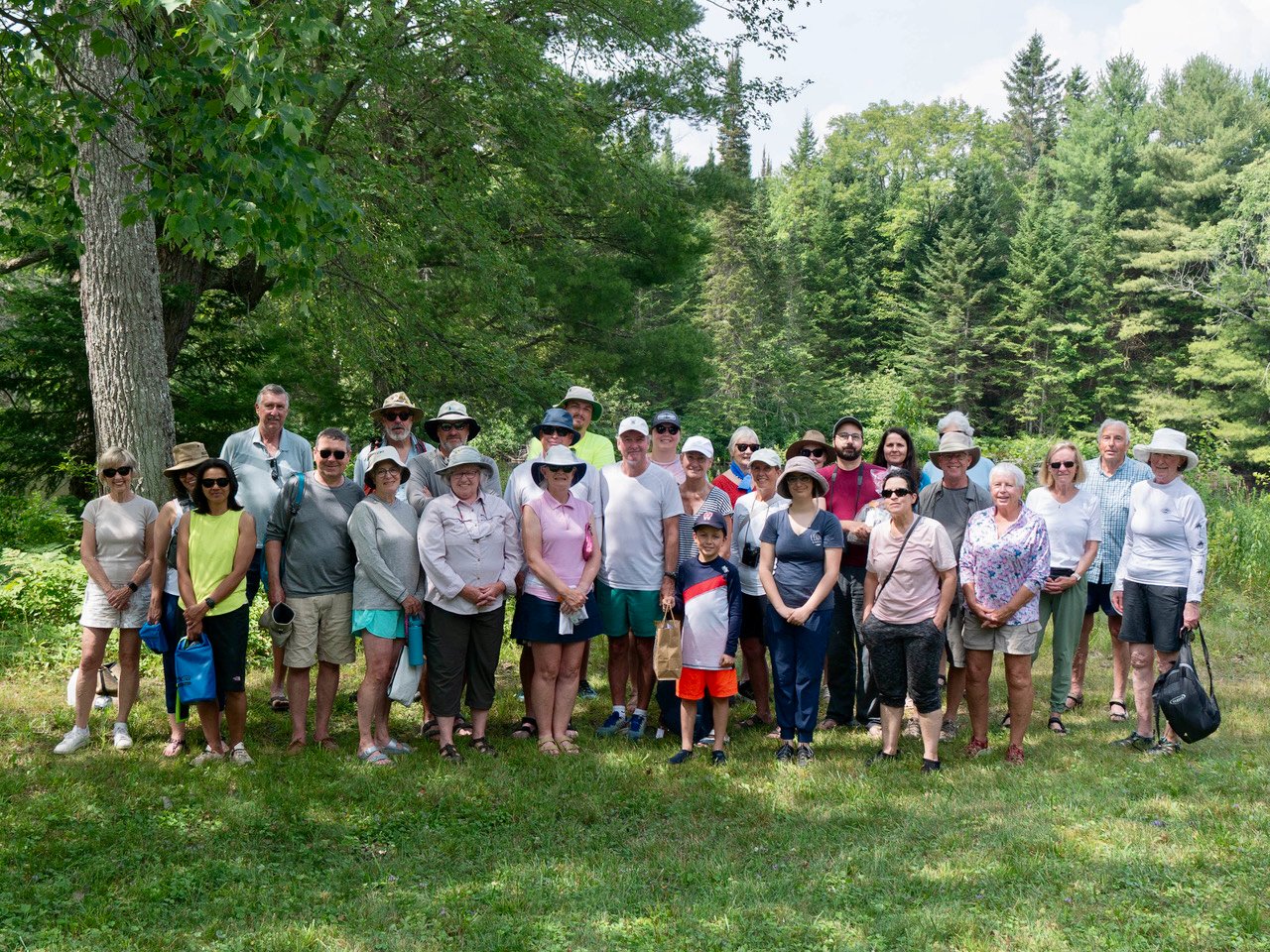
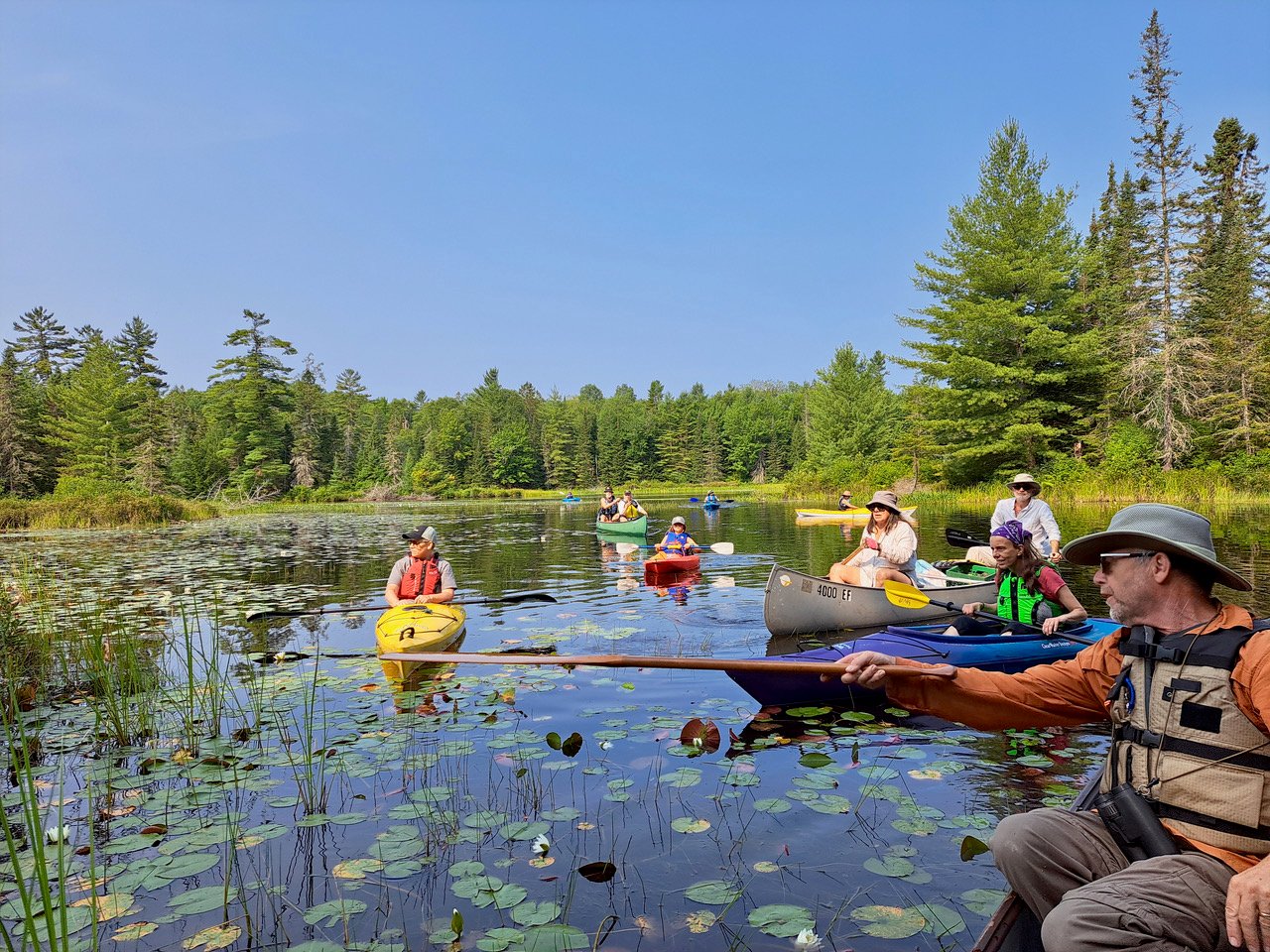
From guided walks and seasonal counts to hands-on learning experiences, our programs offer opportunities for all ages to connect with the land, learn about local ecosystems, and enjoy time outdoors together. These events are also a wonderful way to meet others who care about conservation in our region.
Whether you’re a longtime participant or joining us for the first time, we hope you’ll take part in one or more of our 2026 events.
|
|
|
|
|
|
|
|
|
What a Dry Summer Revealed About Mushrooms
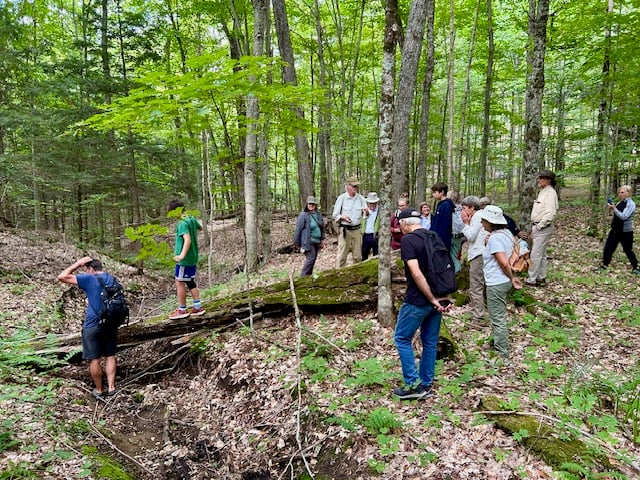
August and September are typically peak months for mushroom diversity in Muskoka. But 2025 was unusually dry and hot. During our August mushroom forays, led by longtime mushroom foray leader Mark McLean, participants observed about 60% fewer species than in recent years—a striking reminder of how closely fungi depend on moisture.
Many of the mushrooms we found were polypores, species that grow on living or dead trees and quietly play an essential role in forest health. Their presence—and absence—tells a story about the condition of the ecosystem.
Drought affects more than what we see on the forest floor. Because mushrooms rely so heavily on water, changes in rainfall and temperature can disrupt the delicate relationships between fungi, trees, and soil. These observations offer a meaningful glimpse into how climate patterns are shaping our local forests.
|
|
|
|
|
|
|
|
|
Marsh's Falls Nature Reserve
We’re happy to report that the trails at Marsh’s Falls are in excellent condition for winter snowshoeing and walking. If you’re planning a visit, please remember to register in advance.
Winter access & safety reminders:
- Please use the Sale Road entrance. The Highway 35 driveway is not plowed, and parking on the highway is unsafe.
- Although ponds and the river may appear frozen, do not venture onto the ice, as conditions can be unpredictable.
We’d also like to remind visitors that dogs are not permitted at Marsh’s Falls. Even well-behaved dogs can leave scents and tracks that disturb wildlife and interfere with nesting, feeding, and movement patterns. This policy helps protect sensitive species and ensures the reserve remains a safe habitat for the animals that depend on it. We appreciate your understanding and cooperation.
Nature Note: Beaver Activity
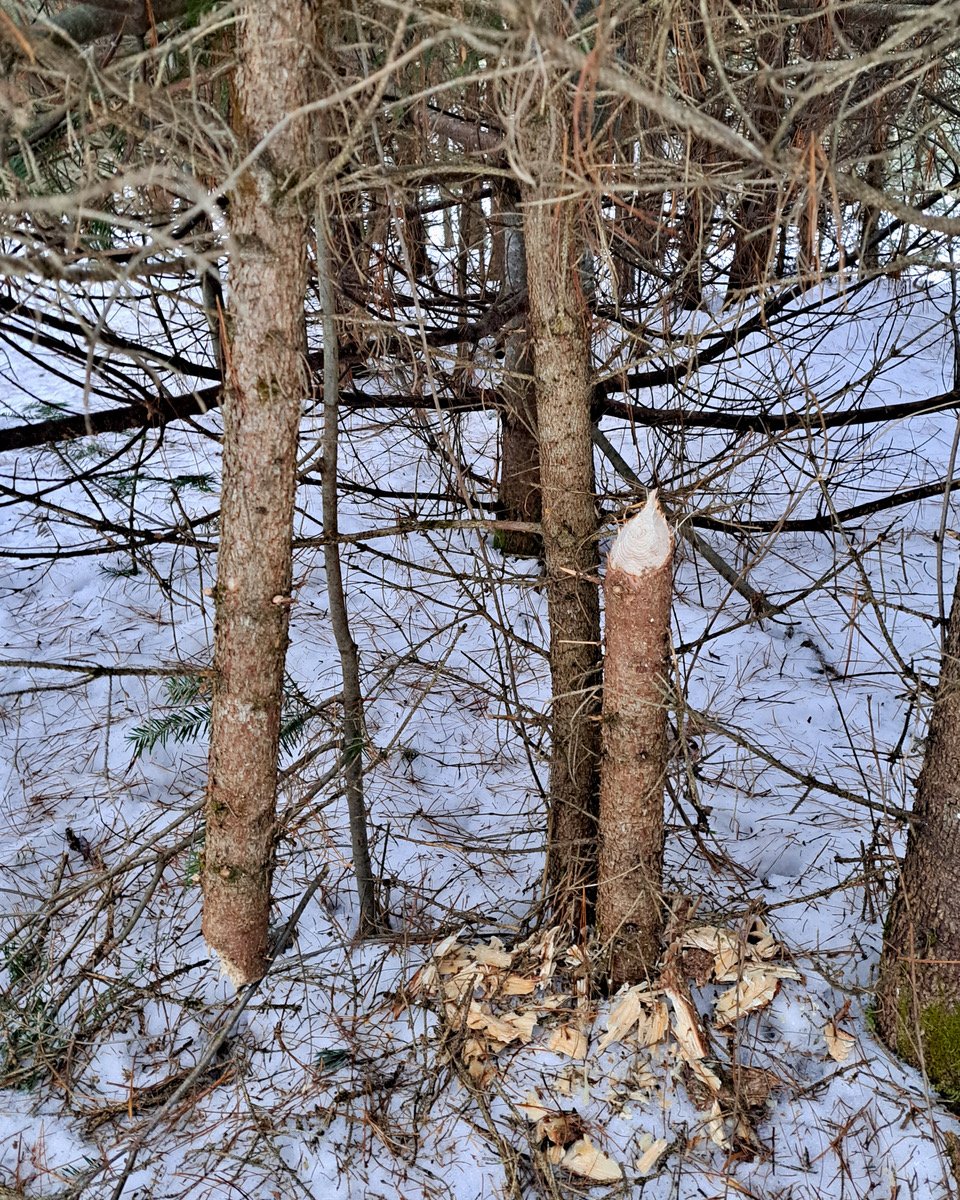
In early January, beaver tracks were observed near the bank lodge on the oxbow—an interesting winter sight. Beavers usually prepare a food pile in the fall to access branches safely under the ice. This year, however, no food pile was observed before freeze-up.
As a result, the tracks suggest that a beaver travelled up to 200 feet in search of poplar saplings—an unusual and risky behaviour in winter. The photo above, taken by Kelly Stronks, captures this remarkable winter moment. Observations like this offer a fascinating glimpse into how wildlife adapts to changing conditions.
We hope you’ll take some time this winter to enjoy Marsh’s Falls and experience its quiet seasonal beauty.
|
|
|
|
|
|
|
Inspired by Nature: The Watershed Exhibition
The Muskoka Watershed Council and the Huntsville Art Society are presenting Watershed, a month-long exhibition celebrating Muskoka’s natural beauty and interconnected ecosystems.
Running March 2 to April 9 at Partners Hall in the Algonquin Theatre, Huntsville, the show features local artists inspired by forests, waterways, and wildlife, and highlights the importance of protecting our watershed and natural heritage.
A public opening reception will be held March 3 from 5–7 PM, with a special guest talk by Rob Stimpson. Admission is free, and all are welcome. The opening reception is sponsored by the Lake of Bays Association.
Read the full story here.
|
|
|
|
|
|
|
|
Lake of Bays Heritage Foundation, P.O. Box 81, Baysville, ON P0B 1A0, Canada
|
|
|
|
|
|
|